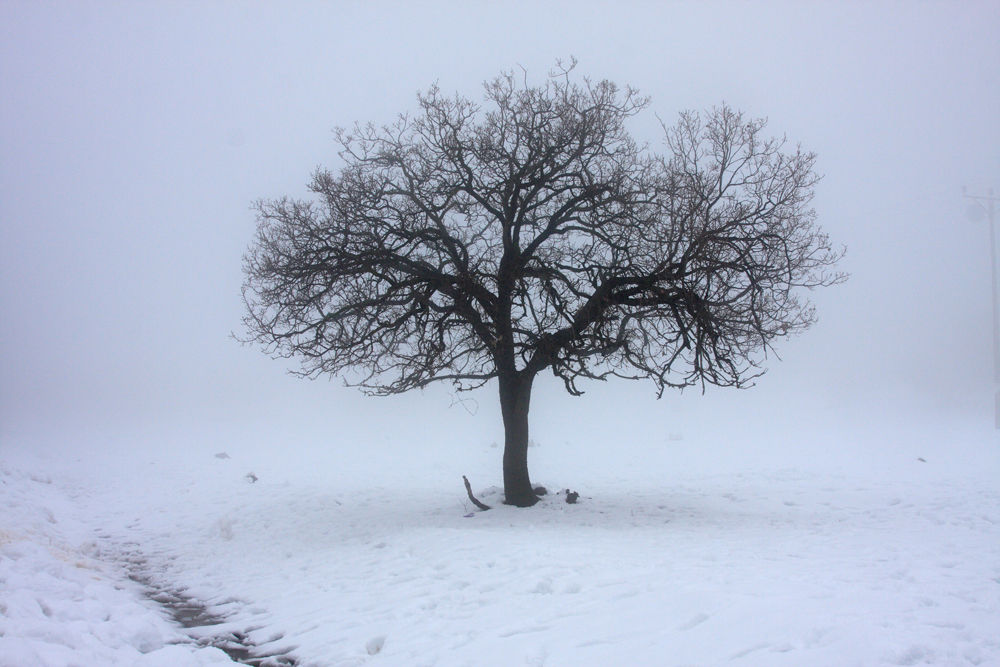
what is the tree of life
- Dan Paige
- Aug 3, 2023
- 2 min read


The Tree of Life: An Ancient Symbol of Spiritual Wisdom and Universal Connection.
Introduction:
The Tree of Life, an ancient and mystical symbol found across various cultures and belief systems, holds profound significance in the realms of spirituality, philosophy, and mythology. Representing the interconnectedness of all existence, this sacred symbol has intrigued seekers of wisdom for millennia. In this article, we will delve into the symbolism and significance of the Tree of Life, exploring its various interpretations and understanding its relevance in the modern world.
Roots of the Tree:
The Tree of Life has its roots in numerous ancient cultures, including Egyptian, Mesopotamian, and Norse civilizations. However, it is most famously associated with the Jewish mystical tradition of Qabalah. In Qabalah, the Tree of Life, also known as the Sephiroth, serves as a map of divine emanations and the process of creation.
The Symbolism:
At its core, the Tree of Life symbolizes the interconnectedness of all aspects of existence. Its structure consists of ten interconnected spheres, or Sephiroth, representing various stages of spiritual development and aspects of divinity. The central pillar symbolizes balance, while the three pillars on either side signify different aspects of existence, such as severity and mercy.
Spiritual Growth and Enlightenment:
The Tree of Life serves as a roadmap for spiritual growth and enlightenment. Each Sephirah corresponds to a specific aspect of human consciousness and the divine, offering a path of self-discovery and personal transformation. As individuals ascend the Tree through spiritual practices and understanding, they gain deeper insights into the nature of existence and the universe.
Universal Connection:
The Tree of Life emphasizes the interconnectedness between the physical and spiritual realms. It illustrates that all things in creation are interlinked, creating a beautiful tapestry of life. By recognizing this interconnectedness, individuals can cultivate a sense of unity and compassion, promoting harmony within themselves and with others.
Balancing Opposing Forces:
The Tree of Life represents the harmony between opposing forces. The Sephiroth on either side of the Tree illustrate the balance between dualities such as male and female, light and darkness, and order and chaos. Embracing these polarities and finding balance within them is essential for personal growth and spiritual evolution.
The Tree of Life in Modern Perspectives:
Beyond its historical roots, the Tree of Life has found its way into modern spiritual practices, philosophy, and even pop culture. Many individuals resonate with the Tree's symbolism as they seek to find balance, meaning, and purpose in a rapidly changing world.
In Popular Culture:
The Tree of Life has captured the imagination of artists, writers, and filmmakers, making appearances in literature, movies, and TV shows. Its archetypal significance often depicts themes of growth, interconnectedness, and the journey of self-discovery.
Conclusion:
The Tree of Life stands as a timeless and universal symbol of profound wisdom and spiritual truth. From ancient civilizations to modern spiritual seekers, its significance remains potent and relevant. As we explore the interconnectedness of all things and embrace the balance of opposing forces, we tap into the timeless teachings of the Tree of Life. Let this sacred symbol inspire us to nurture our spiritual growth, seek unity with the universe, and foster harmony and compassion in our lives and the world around us.


Comments